In Illinois, the decision to build a basement should be based primarily on technical factors – such as the building’s structure, soil conditions, and local climate – rather than on personal preference alone. In some locations, a basement can be a long-term asset to the home; in others, it may become a source of additional and costly maintenance issues, including future foundation repair. In this article, we explain when building an additional lower level truly makes sense under Illinois conditions, and when it is better to consider other ways of gaining extra living space.
Are Basements or Crawl Space Solutions Standard in Chicago North Shore?
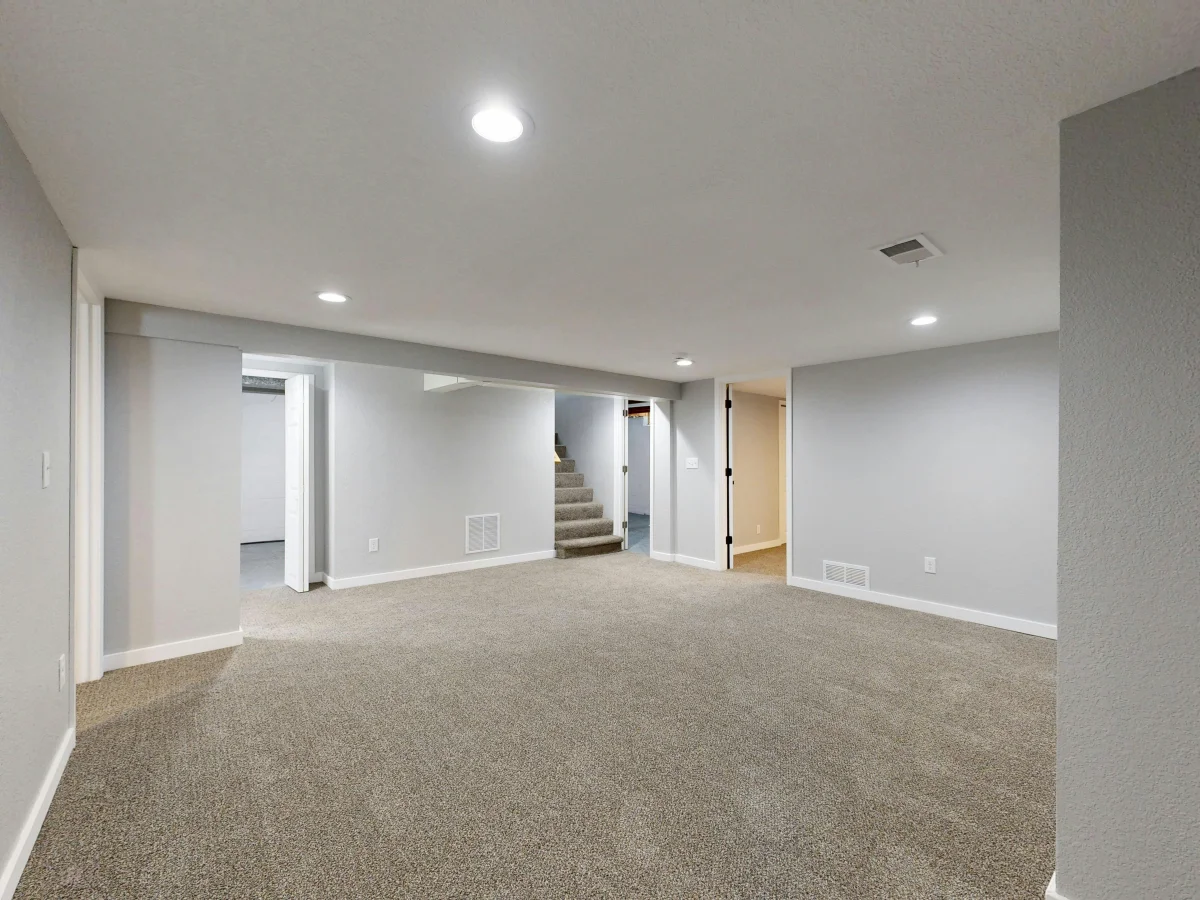
While choosing to build a basement is not a common practice in all regions of the United States, the situation in North Shore is different – and this is not driven by local trends, but by technical conditions that make basements more feasible. The state’s variable climate and the structural requirements outlined in the International Residential Code (§R403.1.4.1) require proper protection of foundations against frost, which in practice often means deeper foundation placement in areas where the frost line is set lower.
For this reason, the technological difference between building standard foundations in locations such as many parts of Illinois and constructing a full basement, rather than crawl space, is relatively small, and adding an additional below-grade level does not significantly change the overall scope of work. As a result, over 60% of the houses in our state have basement.
It is important to remember, however, that this is not a universal rule. Much also depends on local soil and groundwater conditions, the characteristics of which are published by the Illinois Department of Natural Resources.
Groundwater Levels and Basement Waterproofing
Let’s get things straight – the groundwater level is one of the key factors influencing whether building a basement makes technical sense. In Illinois, groundwater levels fluctuate seasonally in many locations – especially after winter, when melting snow and heavy precipitation cause temporary increases. In many areas, groundwater can rise to a level very close to the building’s foundation, which can significantly increase the risk of moisture problems or even basement flooding, often requiring proper basement waterproofing solutions.
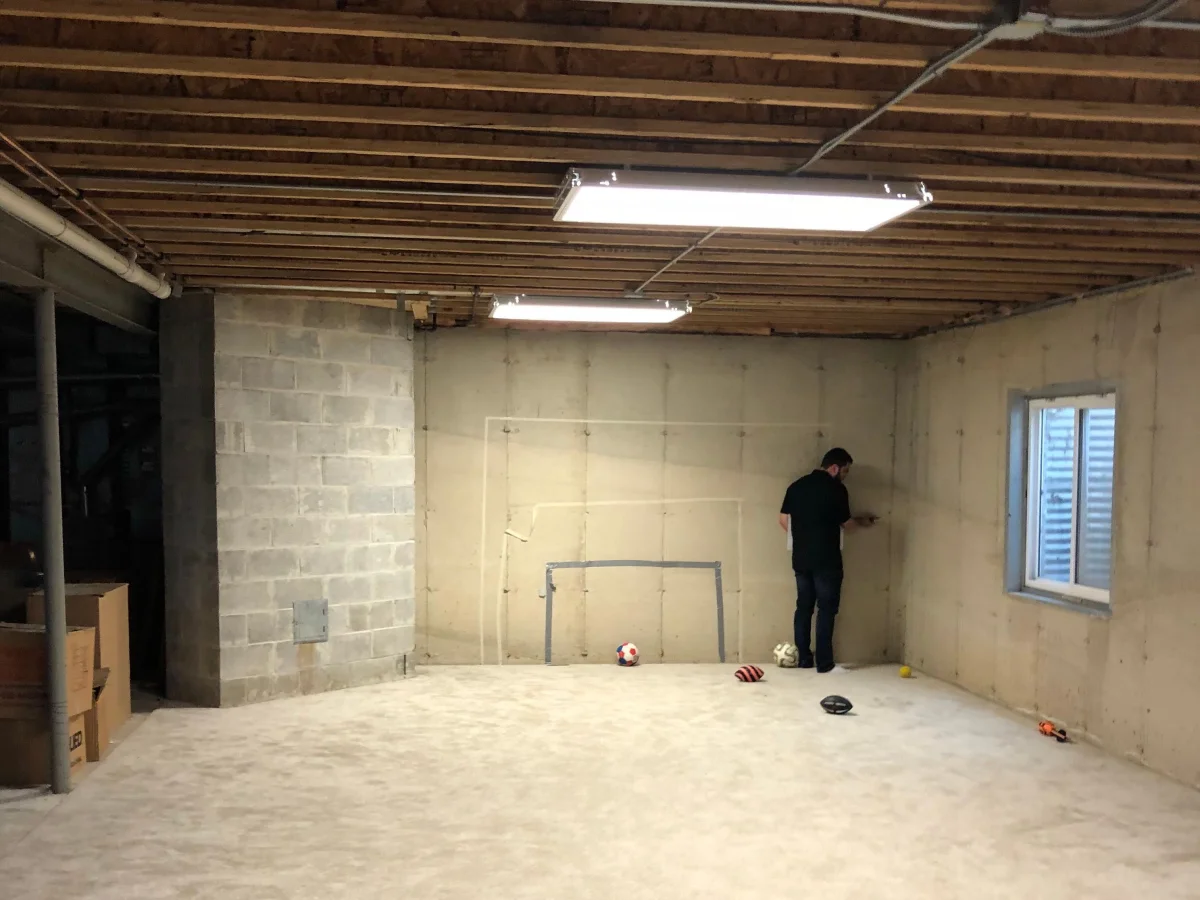
A safe condition is generally considered to be one in which the groundwater level is at least 3–9 feet below the planned basement floor. Otherwise, additional waterproofing and protective measures are required, which can significantly increase the overall cost of the project. In fact, insufficient protection against groundwater is one of the most common causes of basement-related issues associated with long-term basement systems performance.
Before making a final decision, it is also advisable to check whether the property is located in an area with an elevated flood risk by using the official maps provided by the Federal Emergency Management Agency (FEMA). Water conditions on the lot should be evaluated during the early planning stages of home construction, as they directly affect foundation design and the overall project budget.
How Does The Soil Type Affect The Basement Foundation Feasibility?
Soil type in has a direct impact on whether a basement will be a safe and easy to maintain, as it detmines water drainage, soil pressure on the foundation, including the basement foundation, and overall stability of the structure. For this reason, erecting a house with a basement close to the shoreline is a real challenge.
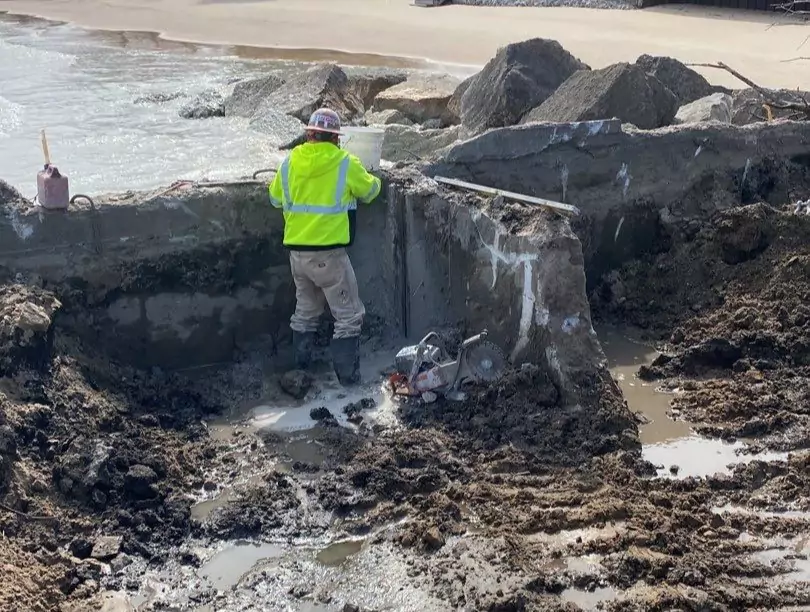
Data published by the Illinois State Geological Survey clearly show that soil composition varies significantly by region, which should be taken into account as early as the planning stage. For example, in Chicago and surrounding areas, glacial clay and silty soils are predominant. These soils are characterized by low permeability and a tendency to retain water, which generally makes basement construction more challenging in these locations and increases the likelihood of future foundation repair.
In North Shore communities such as Kenilworth and Winnetka, a mix of clay and sand is more common, which can locally improve the soil’s ability to drain water. However, due to the proximity to Lake Michigan, groundwater levels remain a key factor that must still be carefully evaluated.
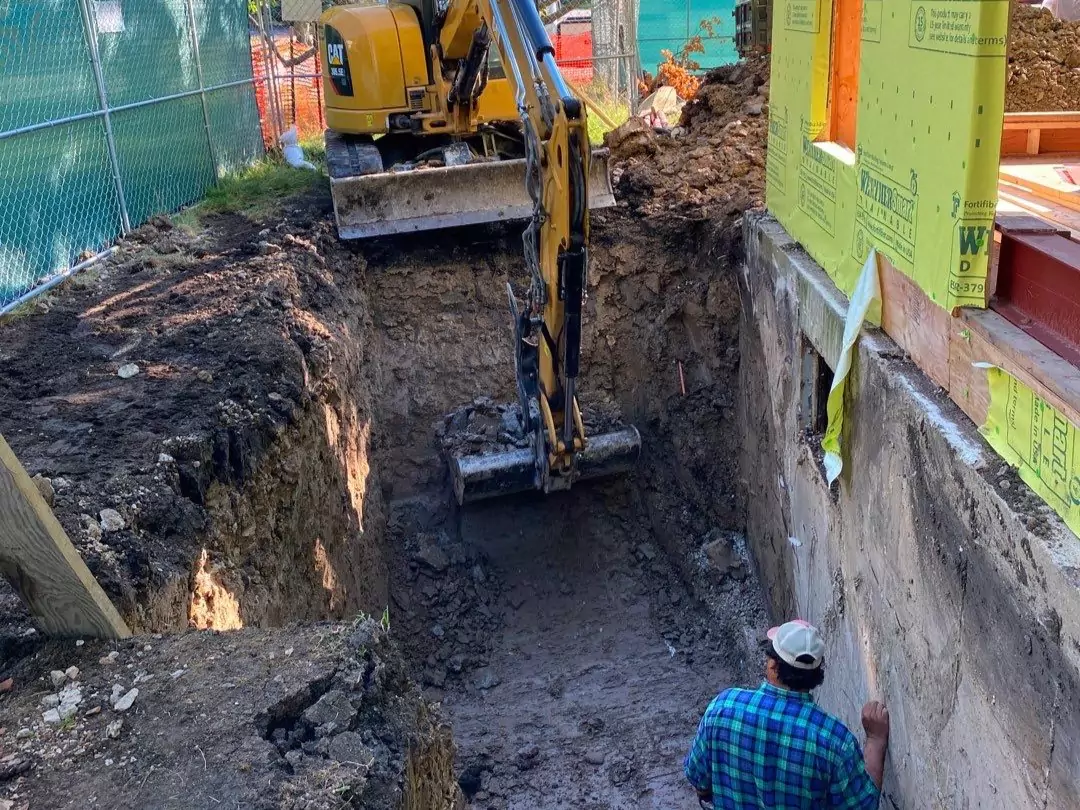
In practice, this means that a basement is most cost-effective in locations where the soil provides good structural stability and allows for natural water drainage, without requiring extensive special mitigation measures. For this reason, soil analysis should be an integral part of the home planning process, and the decision to build a basement should be made in collaboration with an experienced contractor who can translate geological data into practical design and construction decisions.
Climate Considerations and Basement Systems Planning in Illinois
Illinois’ climate plays an important role in decisions about building a basement, primarily due to cold winters, high humidity, and frequent temperature fluctuations throughout the year. In practice, this means that parts of the home in contact with the ground must be properly protected against frost and moisture, which directly affects the performance of different basement systems. From a usability standpoint, a basement in Illinois is cost-effective only when its design takes residents’ comfort and health into account—issues such as moisture control and indoor air quality in below-grade spaces are particularly important.
For this reason, the decision to build a basement in Illinois should be made alongside the planning of the entire home, ideally under the guidance of a professional general contractor, rather than as an add-on at a later stage. Only then can homeowners realistically assess whether local climate conditions support this type of construction or whether they will require additional protective measures that affect long-term costs and living comfort, particularly if a basement remodelis planned down the line.
Does The Building the Basement Make Economic Sense?
A basement is a practical solution when it is a deliberately planned part of the overall home design. It works best in projects where the lower level takes over technical and storage functions — or is designed with a future finished basement in mind — allowing the main floors to maintain a simple and well-organized layout.
This approach reduces the need to expand the home across the lot and makes it easier to design the building’s footprint in compliance with local restrictions. In Chicagoland’s conditions, it’s undoubtedly important – building plots are small and expensive, while village authorities care about the houses’ matching curb appeal.
In practice, a basement begins to work in the homeowner’s favor when it is considered at the early stages of structural planning and key design decisions—factors that are often overlooked but have a significant impact on long-term functionality and costs.
A well-designed basement can also make it easier to adapt the home to future changes in use without altering its main structure. This is particularly important for homes built with long-term occupancy in mind.
When a Basement Project Stops Being a Reasonable Choice?
A basement loses its cost-effectiveness when it is introduced into a project without a clearly defined purpose or as a decision made too late – after the home’s layout and scope of work have already been established. In these situations, it often forces structural compromises, complicates the construction schedule, and significantly increases costs without delivering a meaningful improvement in functionality. Instead of simplifying the project, the basement becomes a burden — both organizationally and financially.
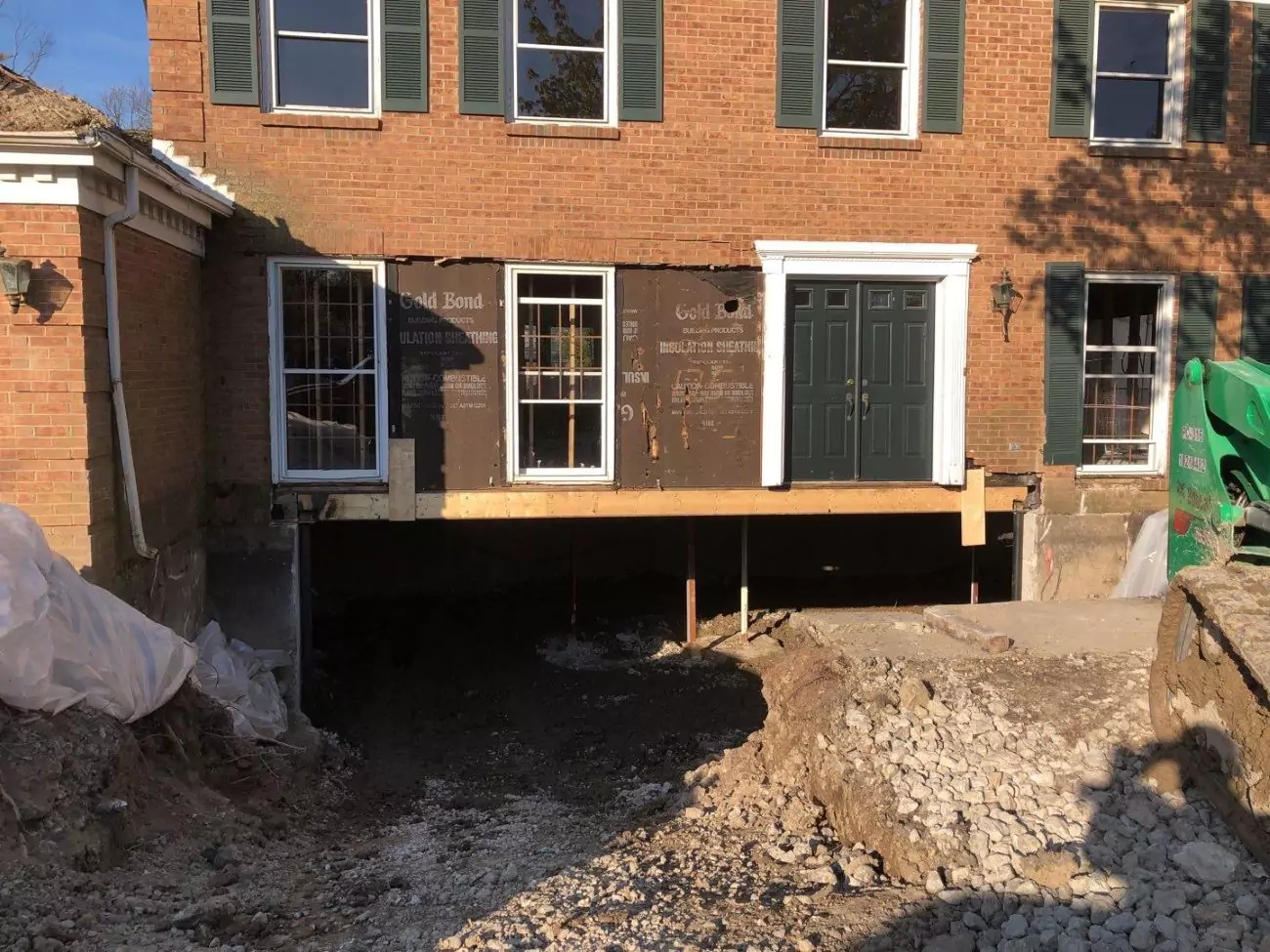
Additionally, in areas such as Chicago and the surrounding suburbs, the builder’s experience with local construction conditions plays an important role, as not every basement concept is suitable for every location. In fact, some time ago we have completed the basment-digging project. The homeowner spend lots of money for such a remodeling, but we managed to fulfill his needs.
Summary
Building a basement in Illinois is not a universal decision and will not always be the best option. It makes real sense when it is planned from the start as a functional part of the home, tailored to the lot conditions, building layout, and the long-term needs of the occupants. In these cases, a basement can simplify the design, increase flexibility, and serve as a reasonable alternative to expanding above-grade space.
At the same time, a basement becomes less cost-effective when it is introduced without a clearly defined role or as a late-stage decision. Soil conditions, budget, and overall design cohesion matter more than the simple desire for extra space. Ultimately, a basement should be viewed not as a standard feature, but as a conscious design choice—one that works in Illinois only when it truly meets the homeowner’s specific needs.
FAQ – Common Questions About Below-Grade Living Space in Illinois
Is a basement or crawl space standard in Illinois homes?
No. While basements are fairly common in Illinois, the decision depends primarily on lot conditions, the home’s design, and the homeowner’s budget. In many cases, basements are built because deeper foundation placement is already required, which makes adding a basement a logical choice.
Can you build a basement under an existing home as a remodeling project?
Technically, yes, but building a new basement is a complex and expensive process that is rarely cost-effective for single-family homes.
What has the biggest impact on the cost of a basement foundation?
The most significant factors are soil and groundwater conditions, the scope of insulation and waterproofing, the drainage system, and whether the basement is planned from the beginning or added to an existing design. Costs increase substantially when decisions are made too late or require structural changes during construction.
Does a basement always increase a home’s residual value on in Illinois?
Not always. A well-designed, dry basement can be an asset, but a basement with moisture issues or no clearly defined function can actually reduce a home’s appeal. The quality of execution and alignment with real needs matter more than simply having a basement.
When does finishing a basement make sense during home planning?
Ideally before the home design process begins or at a very early stage. The earlier a basement is incorporated into the overall concept, the easier it is to control costs and avoid compromises.