Building a home addition in the Chicago North Shore area has become a very appealing option, primarily because of zoning regulations issued by villages such as Winnetka, Kenilworth, and Evanston. Due to these restrictions, it is often much easier to build a home addition or complete a major remodel than to tear down an existing house and build a new one from scratch.
However, remodeling an existing property also means that you will not have complete freedom when it comes to designing the layout. You have to work with the existing structure, foundation, roofline, utilities, and local building requirements. Therefore, when deciding to build a home addition, you should invest enough time and resources into planning the project properly in order to maximize functionality, cost-effectiveness, comfort, and long-term property value.
So, how should you plan a home addition in 2026? What should you do to avoid spending hundreds of thousands of dollars on mediocre solutions?
Table of Contents
How to Design The Home Addition With its Purpose in Mind?
Before you call any custom home builder in Winnetka, Kenilworth, Evanston, or another North Shore suburb, analyze your needs and expectations and write them down on paper. In our opinion, you should begin the whole process by asking yourself several important questions.
- How much additional space do you really need? Some homeowners assume that they need an additional 800 or 1,000 square feet of living space. Then, they get quotes from architects and contractors and give up on expanding their homes because of the cost involved. In reality, many families will notice a significant difference after adding as little as 300 square feet, while an additional 500 to 700 square feet may be enough to cover most of their practical needs. Every extra inch of walls, flooring, roofing, insulation, and energy-efficient windows increases the total cost of the project.
- What purpose will your home addition serve? There is a significant difference between a project focused mainly on increasing the total floor area and a project designed to add storage space, improve functionality, create a better room layout, or make the house more comfortable for everyday living. A kitchen expansion, family room addition, bedroom suite, mudroom, garage expansion, or second-story addition will all require a different approach.
- What is your realistic budget for this project? Bear in mind that the cost of building the addition itself is not the only expense you will have. Apart from construction costs, you should also budget for architectural design, engineering, permits, inspections, furniture, decor, landscaping, and, in some cases, interior design services.
- Is the home addition you want to build compliant with local regulations? Even though it may be easier to obtain a permit for a home addition than for a new construction project in Winnetka, Kenilworth, or other historic North Shore villages, you may still need to adapt your design to local zoning restrictions, setback requirements, lot coverage limits, height restrictions, historic district rules, or neighborhood covenants.
- Are you aware of how the home addition may affect your property value? Almost every well-planned addition can increase the value of a home by expanding its usable floor area and improving its functionality. However, some projects create more resale value than others. Choosing standardized solutions, durable materials, and a layout that appeals to a broad range of buyers may help you maximize long-term value growth. On the other hand, installing highly expensive or maintenance-heavy materials such as cedar or copper is not always the wisest choice anymore. Although these materials can look beautiful, they are also costly and often require more maintenance than modern alternatives.
Neglecting the planning phase is a straightforward way to lose money. The bigger the project, the higher the risk of expensive mistakes.
How to Plan the Scope of a Home Addition Project?
As mentioned above, floor area is not the only factor that affects the cost, timeline, and complexity of a home addition, but it is one of the most important ones. Before making design decisions, you should carefully assess your real needs and decide what type of addition makes the most sense for your home, budget, and lifestyle.
Each type of home addition has its own advantages and disadvantages. A bump-out may be simpler and less invasive, but it will not add as much usable space. A second-story addition can significantly increase living space without expanding the home’s footprint, but it is usually more expensive, complex, and disruptive.
Your addition should also match the existing house. The final result should look coherent, elegant, and intentional, rather than like a structure attached to the original home as an afterthought.
Ground-Level Addition
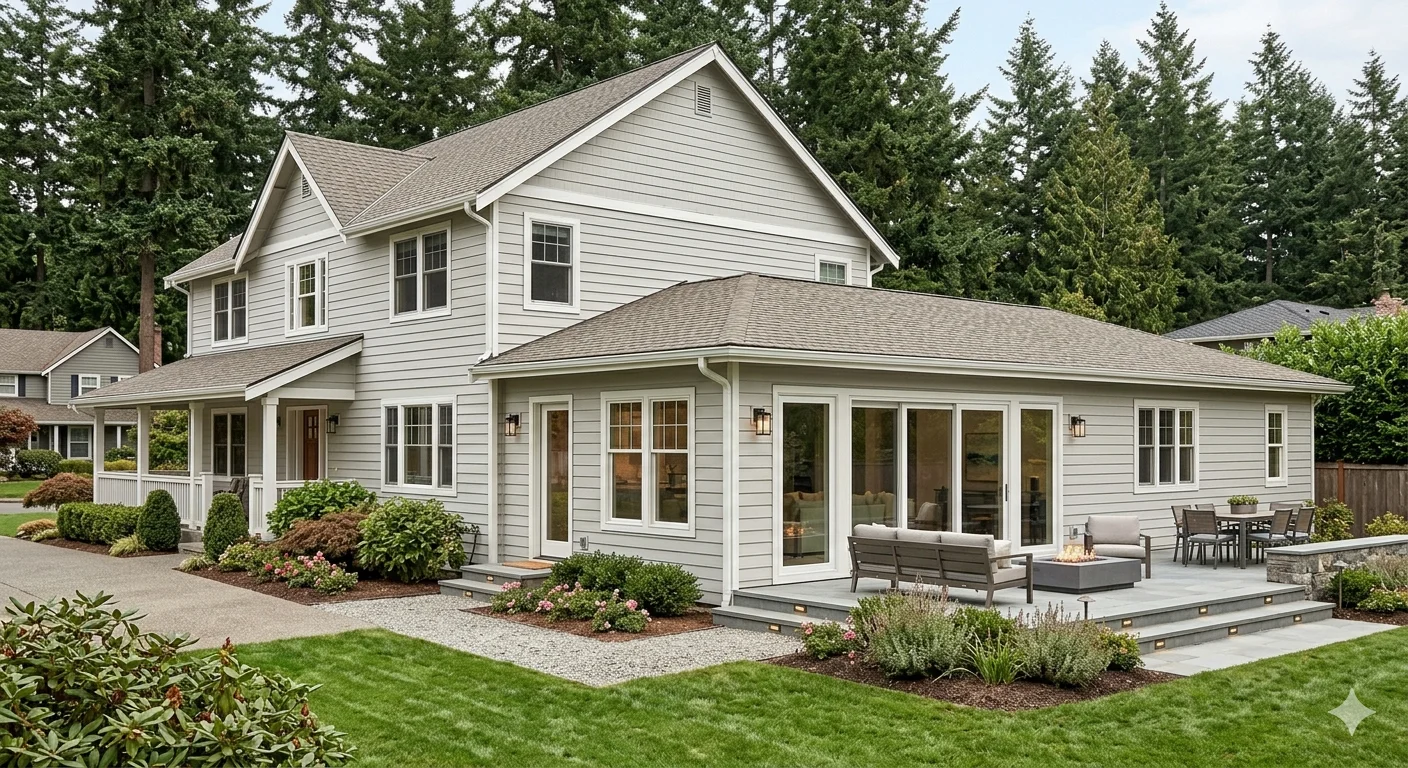
A ground-level addition is one of the most common ways to expand a home. It usually means extending the existing footprint of the house by adding new living space on the first floor, such as a larger kitchen, family room, dining area, bedroom, bathroom, mudroom, or primary suite.
The main advantage is that a well-designed ground-level addition can feel very natural and improve the flow between existing and new rooms. However, it usually requires foundation work, excavation, framing, roofing, siding, insulation, HVAC, electrical work, and sometimes plumbing.
Before choosing this option, homeowners should check local zoning rules, setbacks, lot coverage limits, drainage conditions, and utility locations. In many North Shore villages, the size and placement of the addition may be limited by local regulations and the physical characteristics of the lot.
Bump-Out Addition
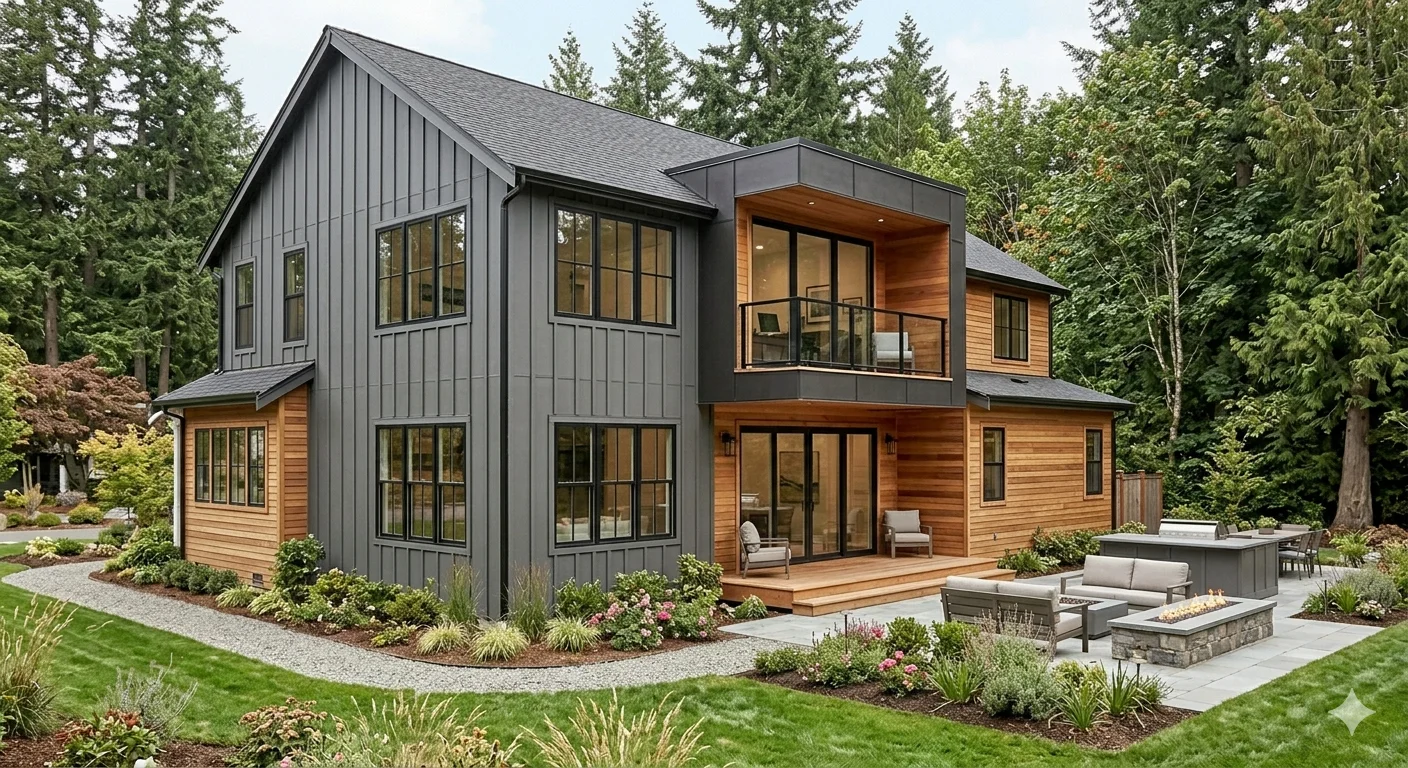
A bump-out addition is a smaller expansion of an existing room. Instead of adding a full new section of the house, you extend part of the wall outward to gain a limited amount of extra space. Bump-outs are often used to enlarge kitchens, create breakfast nooks, add storage, expand bathrooms, or make living rooms more comfortable.
The biggest advantage of a bump-out is that it can solve a specific problem without turning into a major remodeling project. In some cases, just a few extra feet can make a kitchen, bathroom, or living area much more functional.
However, a bump-out is not always as simple or inexpensive as homeowners expect. Even a small addition may require structural work, roofing adjustments, insulation, exterior finishing, windows, and changes to heating or cooling. It is a good option when you want to improve an existing room, but not when your real problem is a lack of total living space.
Second-Story Addition
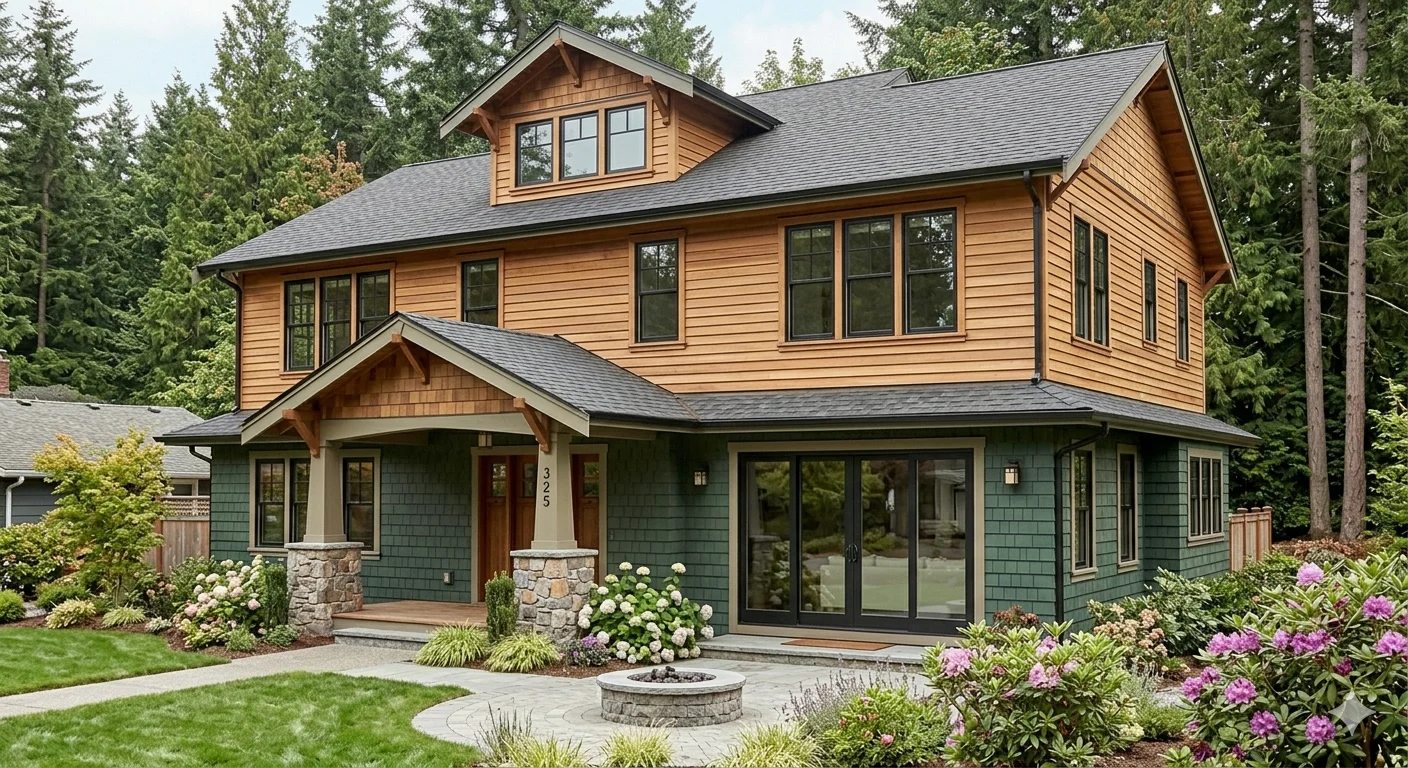
A second-story addition allows you to add living space without expanding the footprint of the house. This can be especially useful on smaller lots or in areas where setbacks, lot coverage limits, or zoning rules make ground-level expansion difficult.
This type of addition is often used to add bedrooms, bathrooms, a primary suite, a home office, or an entirely new upper-level layout. It can also help preserve yard space and increase the value of the property.
At the same time, a second-story addition is usually one of the most complex types of home additions. The existing foundation, framing, and load-bearing walls must be evaluated to determine whether they can support the new level. In many cases, structural reinforcement is required, and the roof must be removed or significantly modified.
A second-story addition can completely transform a home, but it requires careful architectural planning, structural engineering, and an experienced contractor.
Garage Conversion or Garage Addition
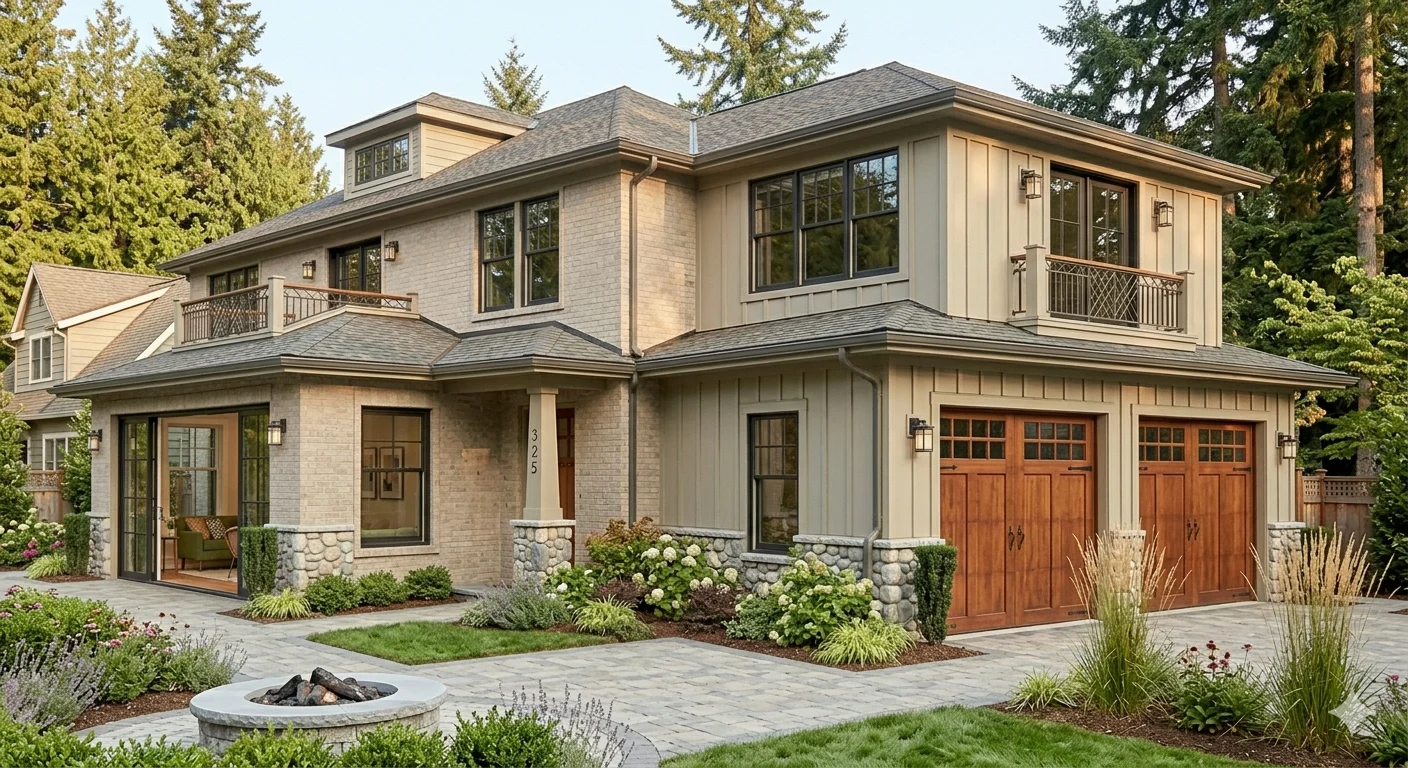
A garage conversion means turning an existing garage into usable living space, such as a bedroom, office, gym, guest suite, playroom, or family room. A garage addition means building a new garage or expanding the existing one, sometimes with living space above it.
Garage conversions can be appealing because the structure already exists, but they are not always as cheap or simple as they seem. Since a garage was not originally designed as living space, it may require insulation, flooring, HVAC, electrical upgrades, windows, moisture control, and proper fire separation.
Homeowners should also consider resale value and local regulations. In some neighborhoods, losing a functional garage may hurt the property’s appeal, especially where buyers expect covered parking and storage.
A garage addition may be a better option when the goal is to improve parking, storage, or utility space while creating the possibility of additional living space above. However, it must be carefully integrated with the existing roofline and exterior materials.
Full Remodel Combined With an Addition
In many cases, a home addition works best when it is combined with a larger remodel. This is especially true when the existing layout is outdated, inefficient, or inconsistent with how the family actually uses the home.
For example, expanding a kitchen may not make much sense if the surrounding dining room, living room, mudroom, and entryway still do not function well together. Similarly, adding a new primary suite may require rethinking hallway access, bathrooms, storage, laundry location, and natural light.
A full remodel combined with an addition is usually more expensive than a simple addition, but it can create a much better final result. It may also be more cost-effective in the long run because some work can be coordinated at the same time, such as electrical upgrades, HVAC changes, flooring, roofing, siding, windows, and interior finishes.
The key is to avoid uncontrolled scope creep. Before construction begins, homeowners should clearly separate must-have changes from nice-to-have upgrades.
Matching the Addition With the Existing House
One of the most important parts of planning a home addition is making sure that the new space looks and feels like a natural part of the existing house. A poorly matched addition can reduce curb appeal, create awkward interior transitions, and make even an expensive project look cheap.
The addition should be designed with the existing roofline, siding, windows, trim, foundation height, exterior proportions, and architectural style in mind. It does not always need to copy every detail exactly, but the final result should feel intentional and coherent.
Roof integration is especially important. If the new roofline does not connect properly with the existing roof, the house may look unbalanced and become more vulnerable to water management problems.
Interior transitions matter as well. Hallways, door openings, ceiling heights, flooring, lighting, and sightlines should be planned so that the addition improves the home’s flow instead of creating strange or inconvenient connections.
A well-designed addition should not feel like a separate structure. It should feel like the house should have been built that way from the beginning.
How Much Space Do I Really Need for a Home Addition?
Many homeowners begin the planning process by assuming that they need a large addition, often 800, 1,000, or even more square feet. However, bigger is not always better. In many cases, the real problem is not the lack of total square footage, but the lack of functionality, storage, natural light, or a well-designed room layout.
Before deciding how large your home addition should be, think about the exact problem you are trying to solve. Do you need one more bedroom? A larger kitchen? A mudroom? A home office? More storage? A better connection between the kitchen and living room? Each of these goals may require a very different amount of space.
For many families, an additional 300 to 500 square feet can already make a significant difference. This may be enough for a family room expansion, a larger kitchen, a mudroom with storage, a small home office, or a more comfortable living area. A larger addition, such as 700 to 1,000 square feet, may make sense if you are adding a primary suite, multiple rooms, a second story, or a major open-concept living space.
The key is to avoid paying for square footage that does not solve a real problem. Every additional square foot increases the cost of foundation work, framing, roofing, siding, insulation, windows, HVAC, electrical work, finishes, and maintenance. A smaller but smarter addition is often more valuable than a large addition with a mediocre layout.
How Much Does The Home Addition Cost in 2026?
The cost of a home addition in 2026 depends on several factors, including the size of the project, type of addition, structural complexity, local labor costs, finish level, and the condition of the existing house. In most cases, homeowners should not think about a home addition as simply “adding square footage.” A well-built addition requires foundation work, framing, roofing, siding, insulation, windows, HVAC, electrical work, interior finishes, permits, inspections, and careful integration with the existing structure.
According to current national estimates, many home additions fall somewhere between approximately $80 and $200 per square foot when building outward, while building upward can often cost around $250 to $500+ per square foot due to structural reinforcement and added complexity. More complex additions, especially kitchens, bathrooms, second-story additions, and high-end custom projects, can easily exceed these numbers.
For Chicagoland homeowners, especially in the North Shore area, it is usually safer to assume that a quality home addition will be closer to the higher end of national averages. Labor costs, permit requirements, architectural expectations, older housing stock, premium exterior materials, and strict local zoning rules can all increase the final price.
Average Home Addition Cost per Square Foot
As a general benchmark, a basic home addition in the Chicagoland may cost approximately $250 to $400 per square foot, depending on the type of room, location, construction method, and finish level. A simpler living room, bedroom, or family room addition will usually cost less per square foot than a kitchen, bathroom, primary suite, or second-story addition.
A basic ground-level addition may be less expensive than building upward, but it still requires excavation, new foundation work, drainage considerations, framing, insulation, roofing, siding, electrical work, HVAC modifications, and interior finishing. A second-story addition often costs more per square foot because the existing home may need structural reinforcement, roof removal, temporary weather protection, and more complex engineering.
For a realistic planning budget, homeowners should treat per-square-foot estimates only as a starting point. The same 500-square-foot addition can have completely different prices depending on whether it is a simple family room, a kitchen expansion, a primary suite, or a second-story addition with bathrooms and structural upgrades.
Cost Examples by Project Size
The total cost of a home addition rises quickly with size, but the relationship is not always perfectly linear. A small addition may have a higher cost per square foot because many fixed costs remain the same regardless of size. Permits, design work, mobilization, demolition, structural connection, roof integration, and utility work may still be required even for a relatively small project.
As a rough planning benchmark, homeowners may expect the following ranges:
A 300-square-foot addition may cost approximately $45,000 to $120,000 or more. This size may be enough for a small family room extension, home office, mudroom, breakfast area, or modest bedroom addition.
A 500-square-foot addition may cost approximately $75,000 to $200,000 or more. This range is more realistic for a larger family room, kitchen expansion, bedroom suite, or a more functional ground-level addition.
A 1,000-square-foot addition may cost approximately $150,000 to $400,000 or more. At this size, the project often becomes a major remodel rather than a simple addition, especially if it includes bathrooms, a kitchen, structural changes, premium finishes, or second-story construction.
These numbers should be treated as early-stage planning ranges, not final quotes. The actual price will depend on drawings, engineering, site conditions, local codes, finish standards, and contractor pricing.
Why Kitchens and Bathrooms Cost More
Kitchens and bathrooms are usually much more expensive than ordinary living space because they require more trades, materials, fixtures, and technical planning. A simple bedroom or family room addition may involve framing, insulation, windows, flooring, lighting, and HVAC. A kitchen or bathroom addition, on the other hand, may require plumbing lines, drains, ventilation, waterproofing, cabinetry, countertops, tile, fixtures, appliances, and more detailed electrical work.
Kitchen additions can become especially expensive because of cabinetry, countertops, appliances, lighting, plumbing, gas lines, flooring, and the need to create a functional layout. Bathroom additions also tend to have a high cost per square foot because a relatively small room may require plumbing, waterproofing, tile work, exhaust ventilation, fixtures, and careful code compliance.
Current remodeling cost guides often place kitchen and bathroom additions well above basic room additions, sometimes reaching several hundred dollars per square foot depending on finish level and complexity.
This is why homeowners should avoid using one flat per-square-foot number for the entire project. A 400-square-foot family room addition and a 400-square-foot kitchen expansion may look similar on paper, but they can have completely different budgets.
Second-Story Addition Cost
A second-story addition can be one of the most valuable ways to add living space, especially when the lot is small or zoning rules make it difficult to expand the home’s footprint. However, it is also one of the most complex and expensive types of additions.
Second-story additions often cost more because the contractor must evaluate whether the existing foundation, framing, and load-bearing walls can support the new level. In many cases, structural reinforcement is required. The roof may need to be removed or significantly modified, and the home may require temporary weather protection during construction. Stairs, bathrooms, HVAC, plumbing, electrical systems, and fire safety requirements can also add to the cost.
Current 2026 estimates commonly place second-story additions around $250 to $400+ per square foot, with some sources showing broader ranges depending on project type and market. In high-end Chicagoland suburbs, the final price may be higher if the project requires complex engineering, premium exterior finishes, custom windows, roofline redesign, or extensive interior remodeling.
A second-story addition can make financial sense, but it should be planned carefully. In many cases, the project affects almost the entire house, not only the new upstairs area.
Why Chicagoland Home Additions Can Be More Expensive
Home additions in Chicagoland, especially in the North Shore area, can be more expensive than national averages for several reasons. First, labor and subcontractor costs are often higher in mature, high-income suburban markets. Second, many homes in areas such as Winnetka, Kenilworth, Evanston, Glencoe, Wilmette, and Highland Park are older, which increases the risk of structural surprises, outdated utilities, hidden water damage, poor insulation, or non-compliant previous work.
Local zoning rules can also affect the budget. Setback requirements, lot coverage limits, height restrictions, historic district rules, tree protection requirements, and architectural review processes may force homeowners to redesign the addition before they can receive approval. Even when the construction work itself is straightforward, the planning and permitting phase may require more time, documentation, and professional input.
Another reason is the expected quality level. In many North Shore neighborhoods, a poorly matched addition can hurt curb appeal and resale value. Homeowners often need better exterior materials, custom trim, carefully matched siding, high-quality windows, and proper roofline integration to make the addition look like a natural part of the house.
For this reason, homeowners should be cautious with national cost calculators. They can be useful for early research, but they often do not reflect the real cost of building a high-quality, code-compliant, architecturally coherent addition in the Chicago North Shore area.
How Much Should You Set Aside for Contingency?
A contingency budget is one of the most important parts of planning a home addition. Even with a good contractor, detailed drawings, and proper planning, unexpected costs can appear during demolition and construction. This is especially true in older homes, where contractors may discover structural issues, outdated wiring, plumbing problems, water damage, mold, foundation concerns, or previous work that was not done correctly.
As a general rule, homeowners should set aside at least 15% to 25% of the total project budget for contingency. For newer homes and relatively simple additions, the lower end of this range may be enough. For older homes, second-story additions, kitchen expansions, bathroom additions, or projects involving major structural changes, a larger contingency may be more realistic.
For example, if your planned addition is expected to cost $200,000, a 15% contingency would mean setting aside an additional $30,000. A 25% contingency would mean reserving $50,000. This does not mean you will definitely spend that money, but it gives you a safety margin if hidden problems appear or if you decide to make reasonable upgrades during the project.
The worst-case scenario is not that the addition costs more than expected. The worst-case scenario is running out of money in the middle of construction and being forced to compromise on quality, delay the project, or leave important work unfinished. A realistic contingency helps protect both your budget and the final result.
Before planning a home addition in Chicagoland, especially in the North Shore area, homeowners should understand that zoning is not just a formality. In villages such as Winnetka, Kenilworth, Wilmette, Glencoe, Lake Forest, Highland Park, Northbrook, and in cities such as Evanston, local zoning rules can strongly affect what can be built, how large the addition can be, where it can be placed, and whether the original design will need to be redesigned before approval.
This is one of the biggest differences between building a home addition in an older, established suburb and building on a more flexible lot in a newer subdivision. Many North Shore properties already have mature landscaping, detached garages, older foundations, irregular lot shapes, nonconforming setbacks, historic architecture, or previous additions. As a result, even a seemingly simple kitchen expansion, garage addition, bump-out, or second-story addition may raise zoning questions.
For example, Winnetka’s single-family zoning regulations include specific front and corner yard setback requirements by residential district, with minimum front setbacks ranging from 30 feet in some districts to 50 feet in others. The village also uses average front setback rules on certain block faces, which means that the existing homes on the street may affect how far back a new or expanded structure must be placed.
In Kenilworth, lot coverage is calculated through formulas that change depending on lot size. For example, the code uses different building coverage formulas for lots under or equal to 5,715 square feet, lots between 5,715 and 20,000 square feet, and lots of 20,000 square feet or more. It also reduces permitted building coverage when impervious surfaces other than buildings exceed 25% of the lot area.
In Wilmette, the village explains zoning as a system that regulates use, setbacks, building heights, lot coverage, minimum lot size, permitted encroachments, and floor area ratios. Importantly, Wilmette also distinguishes zoning from construction codes and notes that aesthetics may fall under appearance review rather than the zoning board.
This is why the zoning and permitting phase should start early. A homeowner should not wait until after paying for detailed drawings to discover that the addition is too close to the lot line, too tall, too large for the lot, located within an easement, or inconsistent with local review requirements.
Setback Requirements
Setback requirements determine how far the home and its addition must be located from the front, rear, side, and corner side property lines. For home additions, setbacks are often one of the first limitations that affect the design.
This is especially important in older North Shore neighborhoods, where lots may be narrow, deep, irregular, or already developed close to the current building envelope. A homeowner may want to add a larger kitchen at the rear of the house, expand the garage, build a side addition, or add a mudroom near the driveway, only to find out that the desired location conflicts with rear yard, side yard, or corner side yard requirements.
In Winnetka, minimum front and corner setbacks vary by district. The code lists minimum front setbacks of 30 feet in R-5 and R-4 districts, 40 feet in R-3, and 50 feet in R-2 and R-1. The same values apply to minimum corner setbacks. This matters because a corner lot can feel spacious in practice, but still be heavily constrained by two street-facing setback lines.
Evanston is another good example. In one R1 variation case, the applicant sought approval for a one-story bay addition with a 12.9-foot rear yard setback where 30 feet was required, along with other variations. This illustrates a practical point: even a relatively small addition can trigger zoning issues if the existing home or lot is already nonconforming.
For homeowners, the key question is not only “How much space do we want?” but also “Where can this space legally be placed?” A good contractor, architect, or design-build team should check the zoning district, survey, existing setbacks, and buildable area before developing the concept too far.
Lot Coverage Limits
Lot coverage limits determine how much of the lot can be covered by buildings, and sometimes how much can be covered by impervious surfaces such as driveways, patios, walkways, and other hard surfaces. This is one of the most common reasons why homeowners cannot simply add as much square footage as they want.
In dense, established suburbs, lot coverage can become a major limitation. A property may appear large enough for an addition, but once the house, garage, covered porches, overhangs, patios, driveway, and other surfaces are counted, there may be much less room available than expected.
Kenilworth provides a very clear example. Its residential zoning code states that no building or addition may be constructed if the result would exceed the maximum building coverage. The formula changes depending on lot size: lots of 5,715 square feet or less use 30% of lot area, lots between 5,715 and 20,000 square feet use 800 plus 16% of lot area, and lots of 20,000 square feet or more use 20% of lot area. The code also reduces allowable building coverage when non-building impervious surfaces exceed 25% of the lot area.
Evanston also uses lot coverage limitations. In the R1 district, one official ordinance example references a maximum building lot coverage of 30%, while another case involved a request for 46.6% building lot coverage where 30% was allowed.
Northbrook’s residential zoning materials show how this can work in a more homeowner-friendly format. For example, the R-2 district handout lists maximum building coverage at 35% of the lot, maximum total lot coverage at 50%, and maximum floor area of structures at 40% of the lot.
For a homeowner, this means that a home addition may require not only measuring the existing house, but also reviewing the garage, driveway, patios, decks, porches, accessory structures, and sometimes even planned hardscape changes. In some cases, reducing or redesigning patios, driveways, or detached structures may create more flexibility for the addition.
Maximum Building Height
Maximum building height is especially important for second-story additions, attic conversions, dormers, roofline changes, and additions above garages. In many North Shore communities, height limits are not just about how tall the house looks from the street. They may be tied to zoning district, number of stories, roof form, grade, first-floor elevation, and how height is measured under the local code.
Winnetka’s single-family zoning regulations limit principal buildings to 2.5 stories across residential districts and set maximum building heights by district: 31 feet in R-5 and R-4, 33 feet in R-3 and R-2, and 38 feet in R-1. The code also includes rules for measuring height, including measurement from the top of the first floor to the highest point of the roof.
Kenilworth’s code also uses district-specific height limits. Search results from the official code show maximum principal building heights such as 28 feet or 2.5 stories in certain R-4 areas and 30 feet or 2.5 stories in other R-4 areas, with detached garages generally limited to 20 feet or 1.5 stories and other accessory buildings to 14 feet.
Glencoe is another useful local example because it has recently addressed height and floor area rules. A 2025 Village FAR packet states that the maximum height of principal structures in all residential zoning districts was reduced to 31 feet, and the maximum height of accessory structures was reduced to 18 feet.
The practical issue is simple: a second-story addition may look reasonable on paper but become difficult once the existing roof pitch, first-floor elevation, ceiling heights, attic space, dormers, and neighborhood scale are taken into account. A design that technically adds space may still require redesign if it exceeds height limits or creates a massing problem.
Easements and Utility Restrictions
Easements are one of the easiest issues for homeowners to overlook. A property may have enough physical space for an addition, but part of that space may be restricted by utility easements, drainage easements, access easements, sewer lines, overhead power lines, or other recorded limitations.
This matters because additions, garages, decks, patios, retaining walls, and even landscaping features may be restricted within easement areas. A homeowner may assume that the side yard or rear yard is available for construction, but the survey may show a utility easement that prevents or complicates the project.
This issue is especially relevant in older suburbs with mature infrastructure. In places such as Wilmette, Winnetka, Kenilworth, Glencoe, and Evanston, existing utility routes may not align neatly with modern design expectations. An addition may require relocation or protection of electric service, gas lines, sewer lines, water service, sump discharge, downspout drainage, or underground utilities.
For homeowners, the survey is not a boring technical document. It is one of the most important planning tools. Before committing to a design, the project team should review the plat of survey, easements, utility locations, drainage patterns, and any restrictions that may affect the proposed footprint.
Historic District Requirements
Historic district requirements can significantly affect home additions, especially in Evanston and older North Shore communities with architecturally significant homes. Even if a project complies with basic zoning rules, it may still need additional review if the property is designated historic, located in a historic district, or subject to preservation standards.
Evanston is a particularly important example. The city’s Preservation Commission explains that building permits are not issued unless a Certificate of Appropriateness is approved by the Commission in a public hearing or by the Preservation Planner through administrative review. Evanston’s preservation materials also state that the city has separate standards for review depending on whether a project involves alteration, construction, relocation, or demolition, and that “construction” includes new additions.
This means that a homeowner in Evanston may need to think not only about size, cost, and layout, but also about how the addition affects the historic character of the home and surrounding district. Window proportions, siding, roof shape, massing, visibility from the street, materials, trim, and demolition of existing features may all become relevant.
In practice, historic review can affect both timeline and design. A rear addition that is minimally visible from the street may be easier to approve than a large front-facing change. A second-story addition, large dormer, garage replacement, or visible exterior alteration may require more careful documentation and design justification.
HOA Rules and Neighborhood Covenants
Not every restriction comes from the village or city. Some properties may also be subject to HOA rules, subdivision covenants, deed restrictions, architectural guidelines, or private neighborhood agreements. These restrictions can exist in addition to municipal zoning rules.
This is especially important in planned developments, newer subdivisions, townhome communities, lakefront communities, and neighborhoods with private architectural standards. A project may comply with city zoning but still violate private rules related to exterior materials, roof style, fencing, driveway changes, additions, garage doors, landscaping, or visible mechanical equipment.
Private restrictions can also be more subjective than zoning. While a zoning ordinance may focus on measurable standards such as height, lot coverage, and setbacks, an HOA or covenant may focus on neighborhood character, design consistency, or approval by an architectural review committee.
For homeowners, the safest approach is to review both public and private restrictions before finalizing the design. The building department may approve a permit, but that does not automatically mean the project is free from private covenant issues.
Why Some Projects Require Redesign Before Approval
Many home addition projects require redesign before approval because the first concept is based on lifestyle goals rather than zoning reality. A homeowner may start with a simple idea: “We want a bigger kitchen,” “We want to add a bedroom,” “We want a second floor,” or “We want to build over the garage.” The problem is that the property may already be close to one or more zoning limits.
The most common reasons for redesign include setback conflicts, excess lot coverage, height limits, impervious surface limits, easements, historic review concerns, stormwater or drainage issues, and architectural compatibility problems. In some cases, the addition itself is not the only problem. The existing garage, driveway, patio, deck, or previous addition may already consume much of the allowable lot coverage.
This is very common in established Chicagoland suburbs. In Evanston, official variation examples show projects seeking relief from rear yard setbacks, side yard setbacks, and building lot coverage limits. In Kenilworth, the lot coverage formula and impervious surface adjustment can make the calculation more restrictive than a homeowner might expect. In Winnetka, front setbacks, average front setback rules, height limits, and lakefront/bluff-related rules can all affect what is possible.
A redesign does not always mean that the project is impossible. Sometimes it means reducing the footprint, changing the room layout, moving the addition to another side of the house, modifying the roofline, using a second-story solution instead of a ground-level addition, removing an old patio, or applying for a zoning variation.
The most important lesson is that zoning should be checked before the design becomes emotionally fixed. The earlier homeowners identify local restrictions, the easier it is to create a home addition that is functional, attractive, realistic, and approvable.
How Long Does a Home Addition Take?
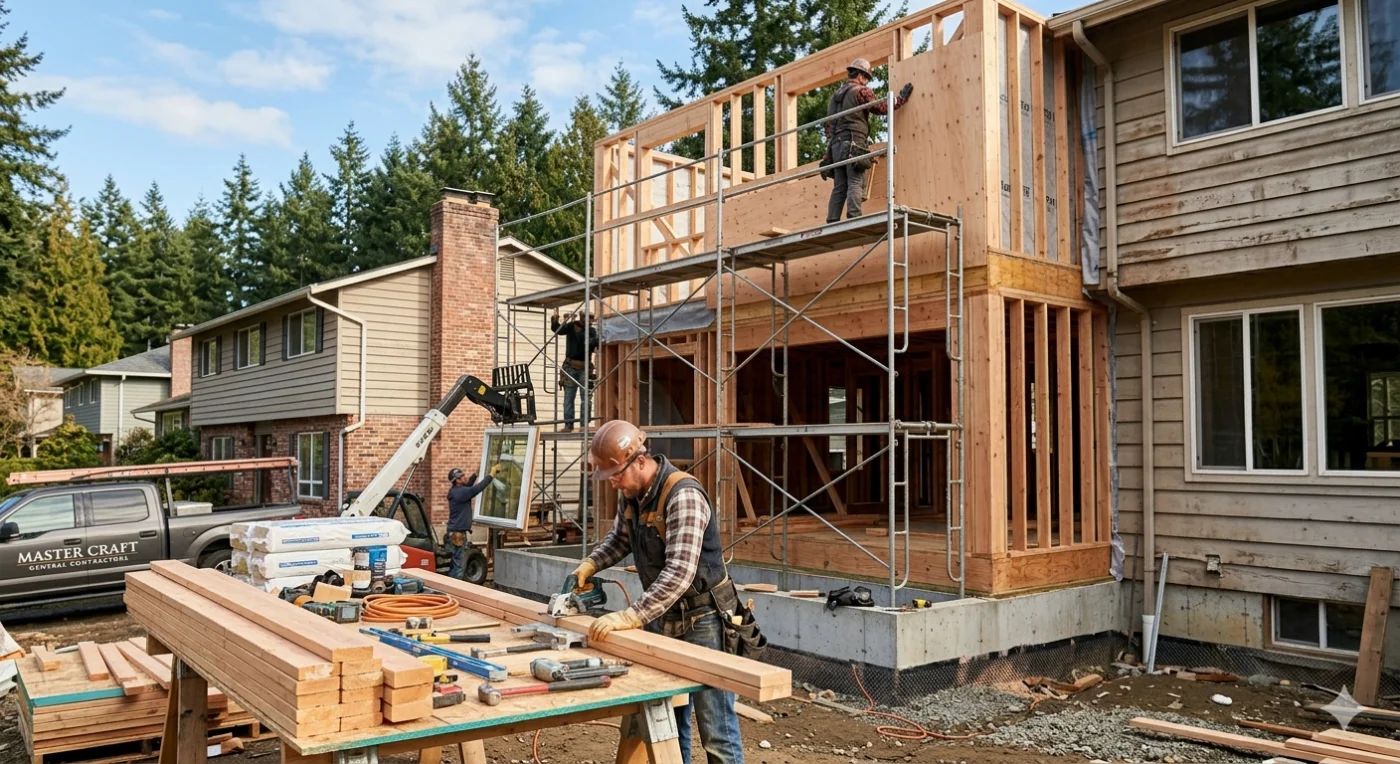
A home addition is usually not a short renovation. Even if the addition itself looks simple on paper, this type of home improvement project involves many stages: design, engineering, permitting, demolition, foundation work, framing, roofing, siding, windows, utilities, insulation, drywall, interior finishes, inspections, and final corrections. For this reason, you should usually think in months, not weeks.
As a general rule, a typical house addition may take around 4 to 9 months from the beginning of planning to final completion. Smaller and simpler additions (such as sunrooms) may be completed closer to the lower end of this range, while larger, more complex, or highly customized additions can take 9 to 12 months or longer, especially if the project involves extensive groundwork or installation of smart-home devices, Hi-Fi audio or equipment imported from Europe (windows, furniture).
If we focus only on the construction phase, many home additions take approximately 3 to 6 months to build. A small bump-out or simple room addition may take less time, while a second-story addition, kitchen expansion, bathroom addition, or full remodel combined with an addition may take significantly longer.
Typical Home Addition Timeline
When building an addition, you can think about the project in several stages:
- The design and planning phase usually takes between 1 and 3 months. During this time, you need to define the scope of work of the project, work with an architect and interior designer and find a contractor.
- The permitting phase may take you another several weeks. Based on our experience, you may be able to go through this stage within two weeks (in Glenview), but it may also take you as much as 8 weeks if your house is in Winnetka or Evanston.
- The construction phase usually takes around 3 to 6 months for many home additions, but it may get prolonged significantly. You need to be aware, that the project must be aligned with the weather – installing a new roof in November, December or January involves a noticeable risk of mold development and humidity accumulation under the shingles.
In total, you should be prepared for at least 6 month of work. For larger additions, such as basement or attic expansion, historic homes or projects requiring zoning variations, the timeline may extend even up to a year.
What Can Make a Home Addition Take Longer?
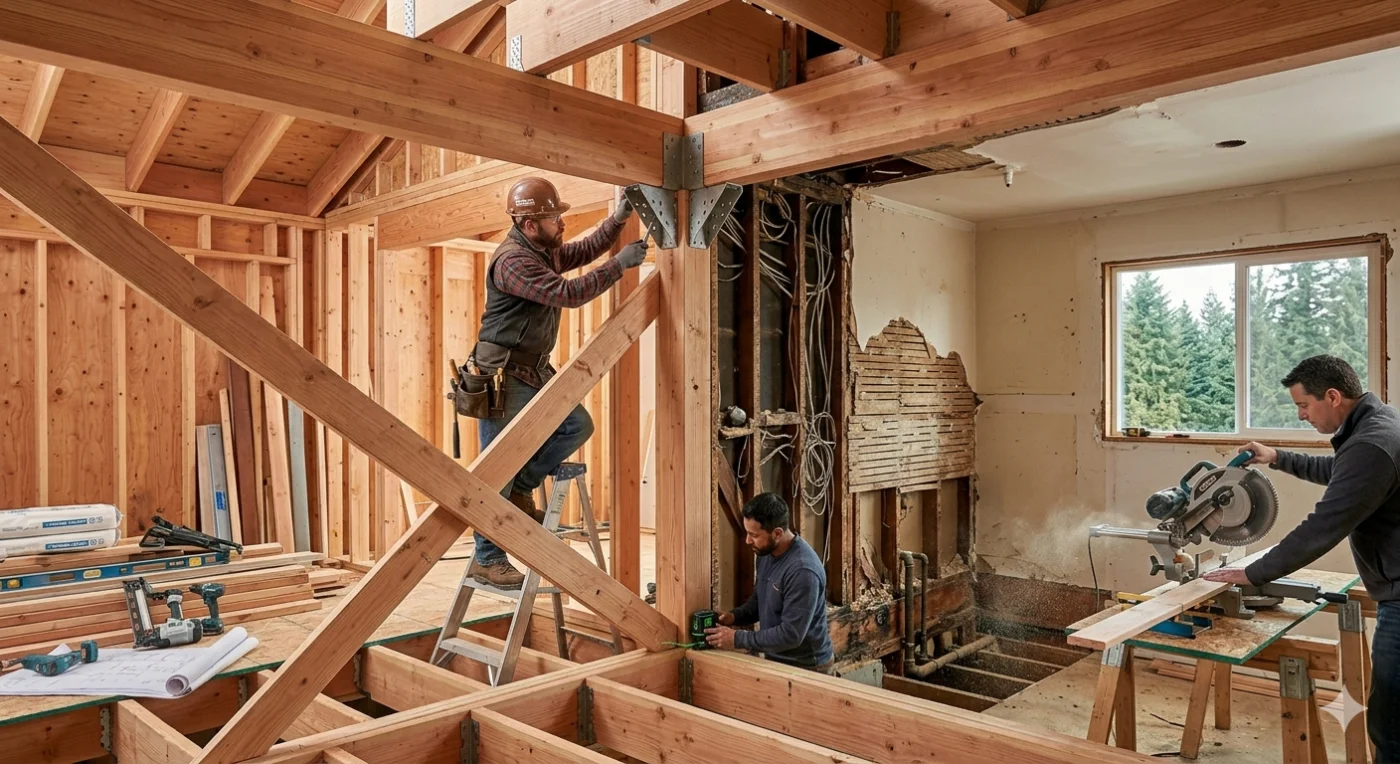
Several factors can extend the timeline. Permit delays are one of the most common issues, especially when the project requires zoning review, historic review, stormwater documentation, or redesign. You may, or may not encounter it, but the risk grows if your property is located in the neighborhood considered wealthy or old-fashioned. Weather can also slow down excavation, foundation work, roofing, siding, and exterior finishes.
Changes during construction are another major reason for delays. If you decide to change a decision after construction begins, your contractor will need to revise the drawings, budgets, material orders and reschedule subcontractors. Even a small change may change the timeline by a few weeks.
Older homes can also create surprises. Once demolition begins, the contractor may discover outdated wiring, hidden water damage, structural problems, poor insulation, previous unpermitted work, foundation issues, or plumbing that needs to be replaced. These issues are especially common in older Chicagoland and North Shore homes – some houses over there are even 150 years old!
How Long Should You Prepare to Live With Construction?
The construction itself is only part of the challenge. Homeowners should also prepare for several months of noise, dust, limited access to certain rooms, workers on site, temporary utility interruptions, and disruptions to everyday routines.
In some projects, the family can stay in the home during construction. This is more realistic when the addition is separated from the main living area for most of the project. However, if the project involves a kitchen expansion, major interior remodeling, structural changes, a second-story addition, or opening large parts of the house, temporary relocation may be more comfortable.
A realistic timeline helps homeowners make better decisions. Instead of assuming that the project will be finished quickly, it is safer to plan for several months of construction and organize your budget, schedule, living arrangements, and expectations around that reality.