Building a new construction home is a process that requires thoughtful planning, good organization, and above all, a clear understanding of each stage of the construction process. To ensure the entire project runs smoothly and predictably, it’s worth organizing all the key steps from the very beginning — from the initial vision, through budget planning for a new construction and selecting the right builder, to handling legal requirements. Good preparation not only reduces stress but also helps avoid unexpected costs and corrections that often arise when there is no solid plan in place.
1. Define Your Actual Needs – Planning Stage
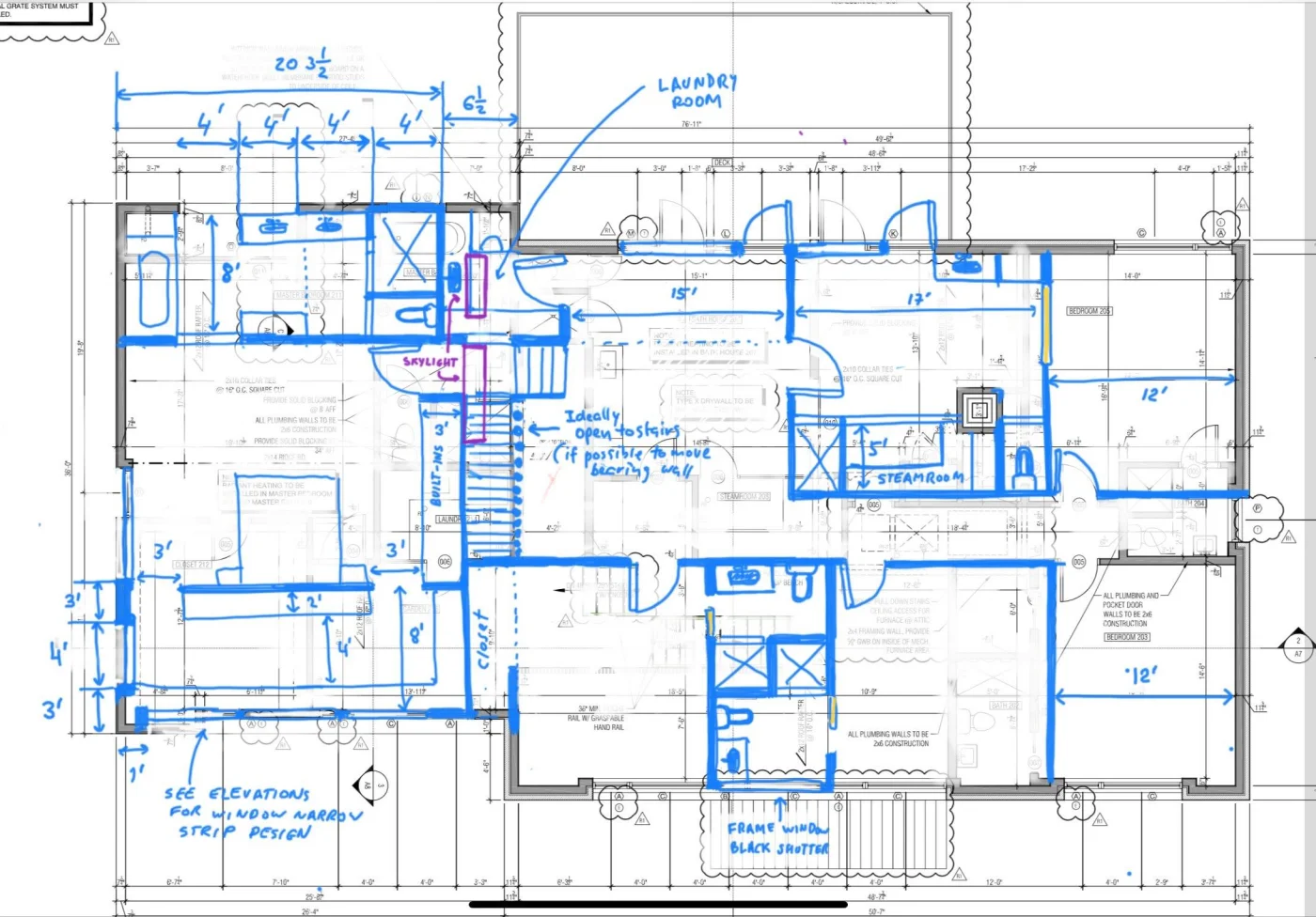
Although it may sound silly, even at this stage, lots of people fail completely. Before you move on to local approvals,budget planning for a new construction, and selecting a builder, it’s important to clearly define the vision for your future dream home — its functionality, size, and the key elements that will genuinely support the daily needs of the household.
Before searching the architect firm, try to ask yourself as many questions as possible. Here are some dilemmas to be considered:
- How many bedrooms you really need, and how many of them will you need for 5 years from now? Maybe you are planning another child in the next 2 years? Or maybe you have a teenager who is planning to study thousand miles away from home and their bedroom doesn’t need to be that big? The more realistic your approach is, the better. It’s definitely not worth building a house that is clearly too big for you – erecting a home addition is nearly always an option.
- How long are you planning to live there? A significant part of Americans move between the houses and cities every few years. We can assume that approximately 20% of U.S. citizens move every 1-3 years and even though most of them don’t buy houses, the perspective for future should always impact your decisions. If you know, that it’s very likely that you move within the next 5-8 years, it’s definitely worth designing the house to last for two decades, but not hundred years. It affects, among other things, the choice of roofing material, and it translates into huge price difference – exceeding even $40,000 of $50,000. This portion of cash is crucial during the new construction, because you will probably spend more than you planned either way.
- List the key requirements. Everyone has some specific, individual needs. We had a client, for example, who considered lift from the garage as an absolute must, but at the same time, she hadn’t got any preferences regarding to the patio and garden design. The family we served some time ago demanded a huge bbq area at the porch, because they spend lots of time in their garden, so were ready to pay much more for limestone finishes and top-notch railings, just because it was important for them. Everyone has their own needs and its always crucial to clearly express them.
- How much time and money do you really have? According to Dave Ramsey, it would be the best if spend no more than 25% of your take-home pay on housing and have at least 20% of down-payment. We are not here to decide whether this strategy is wise or not, but it’s worth point out clearly – a new construction is always a financial commitment and you should be prepared for not planned expenses. Even if your custom home builder does everything within the planned budget, your plans may also change. For example, you may opt for more expensive furniture, add a generator or decide to erect a boat house. The same goes with time – what if materials don’t arrive on time because of pandemics, tariffs, draught or tornado? Accidents happen, but the simpler the project is, the lower the risk of delays.
Choosing the right architect is also essential. The choice of the firm affects not only the style, but also the time, overall cost and your comfort afterwards. Even the most beautiful design is worthless if your architect forgot about practicality. Sometimes it’s worth hiring less prominent architect, because it may result with much better price-to-value ratio. Not every house needs to be sketched by Daniel Libeskind!
At this stage, it’s crucial to be aware of the local conditions in the area where the new construction will take place. In regions with significant temperature fluctuations and strong winds, such as Illinois, proper planning should include solid insulation, and ventilation, what affects the roof type for example, because it’s much more difficult to exhaust water vapor from flat-roofed house. At the same time, you don’t need to worry that much about the house foundation – except from the parcels located on the Lake shore, ground in the Chicagoland is usually fairly stable, contrary to places such as Florida.
At this point you may assume that you can just copy the design of neighboring houses. While this solution usually works, ask yourself – do you really want to go through the new construction to deal with the same problems your neighbors do? The role of your architect and general contractor from Kenilworth is to advise you with choosing cost-effective and reasonable solutions. The right choice of windows, doors, roof or siding can save you thousands of dollars. Don’t catch up with Instagram or Pinterest – design the house the way it will make you comfortable.
2. Permits and Rules for a New Construction Project
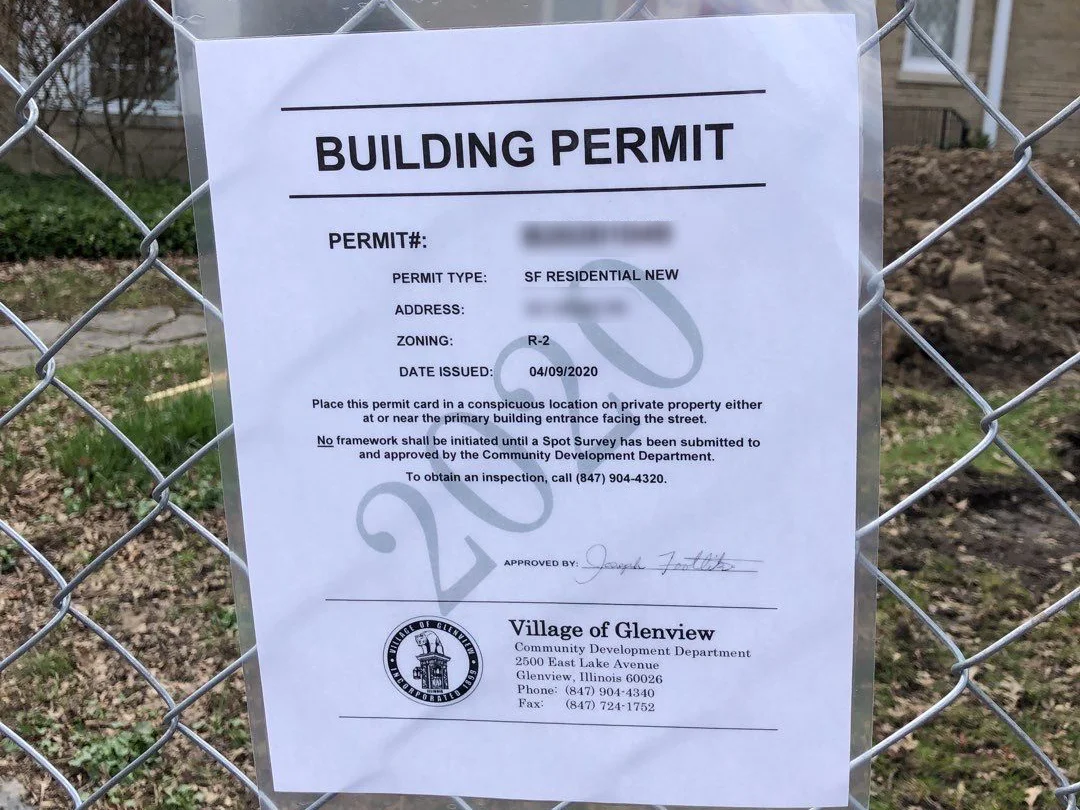
Before the new construction process starts, the building permit needs to be issued. No matter how big will the house (or a garage) be, such a document is always required. The idea behind that is fairly simple – local authorities need to check whether the project will meet legal requirements, such as a fire safety regulations. This is the reason why you will be asked for schemes of electric, hydraulic and HVAC installations. If begin a new build in Chicago, you obviously need to comply with Chicago Building Code. The same goes with other states, such as Arizona, Texas, and New York State.
Apart from building permit, you also need to obtain a zoning permit, which is a document allowing you to shape your plot the way you want, for example buy building a house, digging a swimming pool or planting the trees. Some villages are more restrictive, while others are liberal. Honestly speaking, the difficulty of obtaining a permit is strictly bonded to the people working for particular neighborhood administration. While it’s fairly easy to get a permit in Barrington and difficult to that in Willamette, it’s much more difficult to predict anything about places such as Glenview or Evanston. At the end of the day, it’s nearly always possible to get a new construction permit, but sometimes it requires a lot of effort and requires you to go for a compromise.
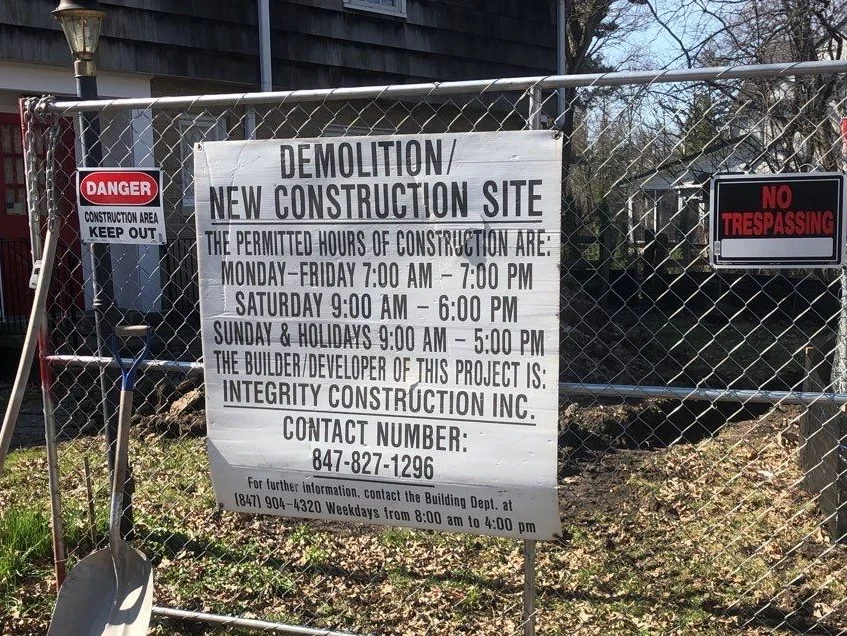
If the new construction involves demolition or site development, another permits are required. All the procedures may take you a few weeks as well as few months. In the United States, there is no single nationwide permitting system, so all the procedures are established locally. This factor should also be taken into consideration, because it affects what you are allowed to build, and what not to. A good starting point is reviewing the state-level regulations, such as general guidelines for the state of Illinois.
3. Controlling the Budget – The Task More Difficult Than Anything Else
As we have already mentioned, be aware that according to research, 75% of respondents declared that their new construction projects were late and over the budget. On average, the budget exceeded by 27%, and the baseline budget had been revised 6 times on average. The stats are even more terrifying for “megaprojects” – 98% of them were overran or delayed, by even as much as 30%.
Based on our 20 years experience, we can share some useful tips for new construction budgeting. These are:
- Pay as early as possible – even though the inflation rate isn’t exceptionally high, prices of materials ten to rise all the time. At the moment of writing this article (February 2026) we are facing double-digit rises of aluminum prices. Within a few months, copper wiring became at least 50% more expensive. As a client, you can lock the prices simply by making the payments quickly. In the long run, it’s the easiest way to save 5-15% of the project’s overall cost.
- Set up the contingency – we can assure you that there’s a bunch of unpredictable costs that will arise for sure. Even though you don’t know what exactly will happen, you know that something will broke, be stolen or simply don’t match your expectations. You may be unfortunate enough to break the wire during the new construction or to find out that the soil under your house is less stable than you assumed. You may also get robbed or the custom window manufacturer may file bankruptcy. It simply happens. All the time. It’s advisable to add 5-10% to the budget as a safety buffer. If you don’t spend this money, you can always buy yourself a new TV, speakers or paintings for that money!
- Close the scope as early as possible and stick to the plan. We know that the house new construction always takes a lot of time, so technically you can decide on specific type of roofing a few months after the moment of laying the foundation. However, the faster you close the scope and specify it as a part of contract, the lower is the risk of budget overrun, also because it’s less likely for you to start looking for more expensive alternatives. There are always some more expensive and slightly better alternatives, but trust us – after a few years, you won’t bother that you didn’t choose more expensive door handles.
- Whenever the plans change, revise the forecast too. You need to be aware that neglecting even the smallest change is the first step to mess. Average new construction project run by Integrity Construction Consulting exceeds $1.2M – just imagine what could happen, if these “minor” changes would equal to 2% of each budget.
Some contractors, surprisingly, neglect predictable costs such as inspections, site cleaning or building a driveway. You should always check cautiously the scope of contract to avoid any misunderstanding.
What Drains The Budget During The New Construction at Most?
There are certain points that drain the budget like anything else. These are, for example:
- Ground stabilization and groundwater level lowering – it’s a complicated, time consuming process. If something goes wrong with it, usually it’s necessary to do everything once again, and improperly dried soil may prevent concrete from hardening.
- HVAC and electrics – everything related to HVAC seems to be exceptionally expensive, and any, even minor modifications result with exponential growth of the price.
- Siding / elevation – even though the fiber cement or vinyl siding is quite predictable, if the new construction project involves use of ACM panels or ceramic panels, there’s no way to assess the final cost properly. These two technologies are usually very expensive.
- Windows – when planning a new construction, very few people realize how expensive windows are, especially if imported from Europe. Installation of high-quality, energy efficient windows can cost you astonishing sum of money, even up to $100,000 for a large house.
4. Choosing the Right General Contractor – What Should You Pay Attention To?
Selecting the right contractor is one of the most important stages of preparing for a home build. The quality of their work determines the durability of the structure, the timeliness of the project, long-term costs, and — just as importantly — helps minimize unnecessary stress and spendings throughout the process.
When choosing a construction company, it’s important to look at experience, licenses, insurance, and transparency in presenting the cost estimate — this applies both to general contractors and to specialists responsible for specific parts of the home, such as roofing contractors.
A good step in selecting the right company is having a thorough conversation with the contractor and preparing key questions that help determine whether they have a clear action plan and the necessary experience.
For work related to the exterior of the home — siding, windows, or roofing — it’s especially important to pay attention to the materials the specialist uses. When comparing offers, it’s worth analyzing what distinguishes a truly reliable siding contractor and whether the proposed solutions will perform well in demanding weather conditions.
It’s also common practice to rely on recommendations from neighbors or friends who have experience working with local companies — often the simplest way to assess a contractor’s reliability in real-world conditions. Regardless of the scope of work, it’s essential to put all agreements in writing — including responsibilities, timelines, procedures for changes, and warranty terms. This ensures clear expectations and protects both sides throughout the project.
5. Preparing the Lot and Final Steps Before a New Construction Home Begins
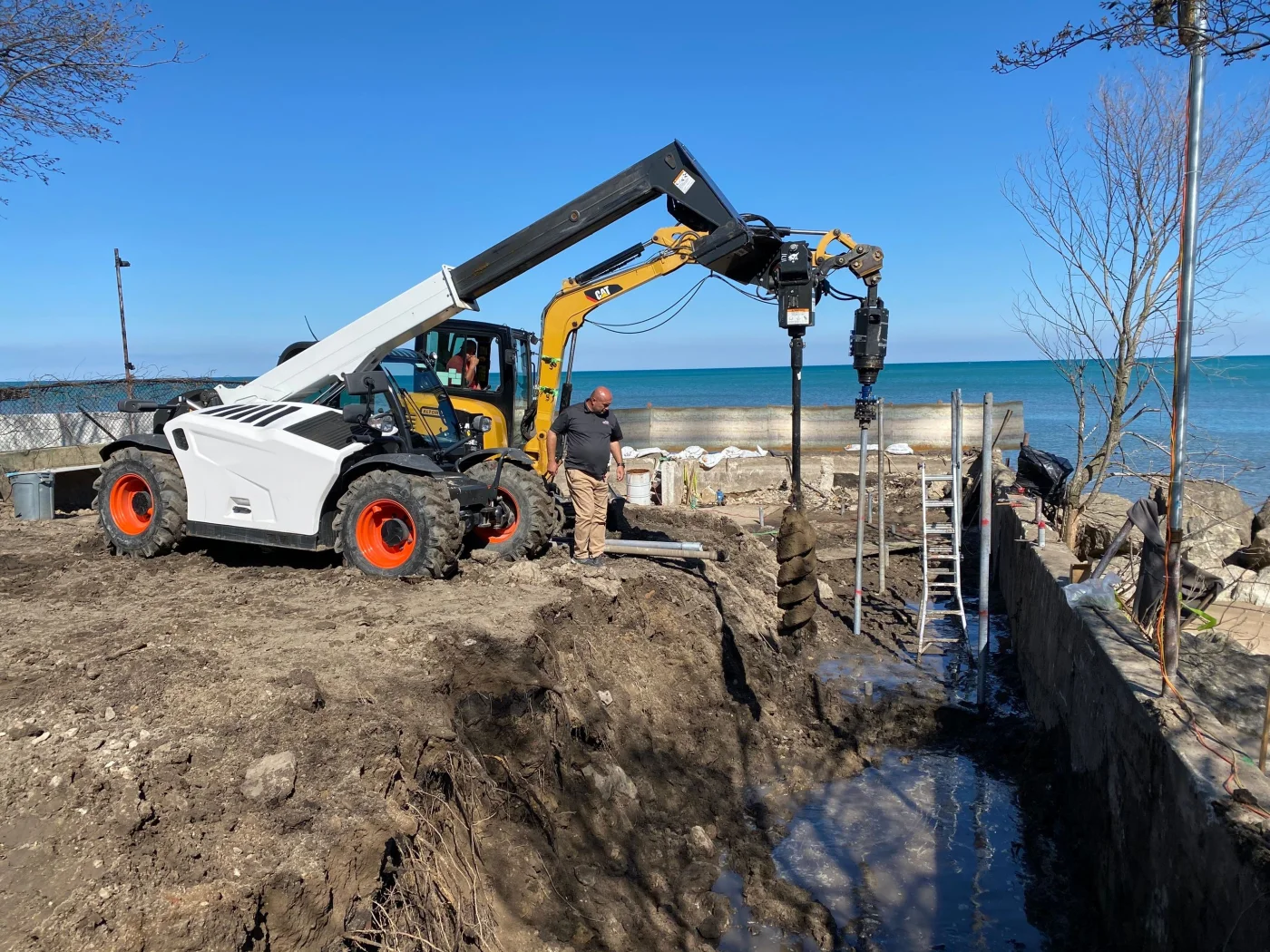
Once the design is approved, the builder is selected, and the required local approval is granted, the next step is properly preparing the construction site. A surveyor first marks the property boundaries and building layout, while the contractor appoints a site supervisor who will be responsible for overseeing the work and coordinating required inspections. Before construction starts, it’s important to clear and organize the area, establish temporary access to the site, and set up space for storing materials.
When the lot is prepared, all documents are in place, and the inspection schedule has been agreed upon with the contractor, the formal preparation phase is complete. At this point, the project is fully ready to move into the practical stages of construction.
Summary
Planning a home build is a complex process that requires careful attention at every stage — from defining your vision and choosing an architect to budgeting, selecting a home builder, handling required approvals, and preparing the site. The key is making thoughtful decisions and ensuring the project fits both the needs of the future residents and the local conditions. Completing the approval process, meeting regulatory requirements, and properly preparing the lot help ensure that the construction phase begins in an organized and complication-free way. As a result, the entire project moves forward more smoothly, and the finished home is built on a strong foundation — both literally and figuratively.
FAQ – Frequently Asked Questions
Where is the best place to start when planning a home build?
The best starting point is clearly defining the vision and needs of the household. This includes functionality, square footage, room layout, and choosing an architect who can translate these ideas into a cohesive design.
What formalities need to be completed before construction begins?
The most important steps include obtaining the required local approvals, ensuring the design complies with regulations, and officially registering the construction work with the appropriate authorities. In some areas, such as Chicago, additional requirements may apply due to the local building code.
What factors influence the cost of building a home?
Costs depend on the design, materials, labor, necessary approvals , soil conditions, and local service pricing.
What does preparing a lot for construction involve?
This includes marking the building footprint with a surveyor, introducing site supervision, clearing and organizing the space, and preparing areas for materials and temporary utilities. Only after these steps is the site ready for the actual construction phase.